

Germany is creating exciting career opportunities for professionals who want to work in the renewable energy industry. As the country expands its use of solar power, wind energy, biomass, geothermal systems and other clean technologies, employers need qualified workers to design, install, operate and maintain energy infrastructure.
For foreigners looking to build an international career, Germany offers opportunities in engineering, electrical installation, project management, construction, research, maintenance and technical support. Some employers also recruit international candidates and support their work visa applications.
The renewable energy sector is not limited to experienced engineers. Technicians, electricians, IT specialists, construction professionals and other skilled workers can also find opportunities, depending on their qualifications and experience.
This guide explains the types of renewable energy jobs available in Germany, expected salaries, qualifications, work visa options and practical steps to help foreign applicants find employment in 2026.

Why Consider Renewable Energy Jobs in Germany?
Germany has made the transition to cleaner energy a major part of its economic and environmental strategy. The country continues to invest in renewable electricity, energy storage, modern power networks and technologies that reduce carbon emissions.
According to Germany’s Federal Ministry for Economic Affairs and Energy, the renewable energy sector employed approximately 436,300 people in 2025. Onshore wind was the largest employment area, followed by biomass, solar energy, heat pumps and offshore wind.
This activity creates opportunities for people with technical knowledge, practical experience and relevant professional qualifications.
Here are some reasons foreign workers consider Germany’s renewable energy industry:
1. Growing clean energy industry: Germany continues to develop wind farms, solar installations, battery systems and other renewable energy projects. These developments create work in manufacturing, construction, installation and maintenance.
2. Opportunities for skilled professionals: Employers need engineers, electricians, technicians, project managers, IT specialists and other qualified workers.
3. International working environments: Some renewable energy companies operate across several countries and employ multicultural teams. English may be accepted in certain specialist positions, although German remains valuable for many workplaces.
4. Competitive employment packages: Qualified workers may receive attractive salaries, paid leave, social insurance and other employment benefits, depending on their contracts.
5. Long-term career development: Renewable energy professionals can develop specialist skills in wind technology, solar systems, energy storage, smart grids and environmental engineering.
Types of Renewable Energy Jobs Available for Foreigners in Germany
Foreign applicants can explore different roles depending on their education, technical skills and professional experience. The following positions represent important career areas in Germany’s renewable energy industry.
1. Renewable Energy Engineer
Renewable energy engineers help develop and improve systems that produce electricity from natural resources. They may work on solar installations, wind turbines, energy storage or other clean energy technologies.
Their responsibilities can include designing energy systems, evaluating technical performance, preparing project documents and ensuring that installations meet safety standards.
Employers usually prefer candidates with degrees in renewable energy engineering, electrical engineering, mechanical engineering or a related discipline.
2. Wind Turbine Technician
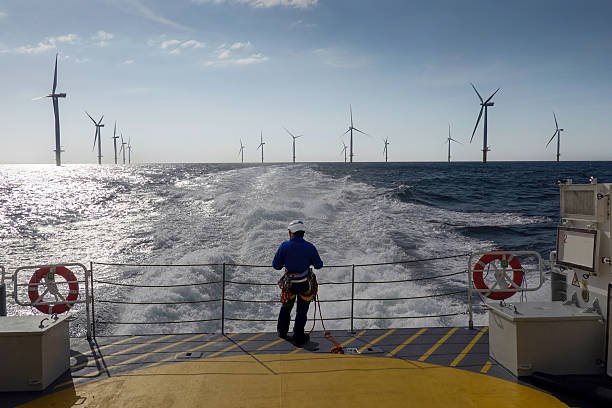
Wind turbine technicians inspect, repair and maintain equipment used to generate electricity from wind. They help ensure that turbines operate safely and efficiently.
Typical duties include inspecting turbine components, replacing damaged parts, checking electrical systems, performing routine maintenance and documenting repair work.
Candidates with mechanical, electrical or mechatronics training may qualify for these roles. Employers may also require working-at-height training, safety certifications and physical fitness.
3. Solar Panel Installer
Solar panel installers help households, commercial buildings and industrial facilities generate electricity through photovoltaic systems.
Their work may involve preparing installation sites, mounting panels, connecting electrical components, installing inverters and testing completed systems.
Relevant experience in electrical installation, roofing or construction can improve an applicant’s prospects. Some employers provide additional training for candidates with suitable practical backgrounds.
4. Electrical Engineer
Electrical engineers support the design, installation and operation of renewable energy equipment. They may work with power distribution systems, solar installations, wind turbines, substations and battery storage facilities.
Their responsibilities often include preparing electrical designs, reviewing technical specifications, testing equipment and identifying system faults.
A university degree in electrical engineering or a closely related field is generally useful for professional engineering positions.
5. Mechanical Engineer
Mechanical engineers contribute to the development and maintenance of renewable energy equipment. They may work on wind turbine components, manufacturing systems, pumps, heating equipment and industrial machinery.
Typical duties include designing mechanical components, analysing equipment performance, supervising production and improving maintenance procedures.
Employers commonly seek candidates with mechanical engineering qualifications and experience using relevant design software.
6. Renewable Energy Project Manager
Project managers coordinate renewable energy developments from the planning stage to completion. They work with engineers, contractors, suppliers, government authorities and other stakeholders.
Their responsibilities can include preparing project schedules, managing budgets, coordinating teams, monitoring construction and ensuring that projects meet agreed standards.
Candidates with project management experience, engineering knowledge and strong communication skills may be suitable. Knowledge of German can be particularly important because the role involves coordinating local teams and suppliers.
7. Solar Energy Technician
Solar energy technicians install, inspect, test and maintain photovoltaic equipment. They may work on residential rooftops, commercial buildings or large solar farms.
The job requires practical knowledge of electrical systems, solar technology, safety procedures and troubleshooting.
Applicants with vocational training in electrical engineering, electronics or a related technical field may find opportunities in this area.
8. Energy Storage Technician
Renewable energy systems sometimes produce more electricity than consumers need at a particular moment. Battery storage systems help store that energy for later use.
Energy storage technicians install, monitor and maintain batteries and related equipment. They may also inspect electrical connections, test battery performance and investigate technical problems.
Candidates with experience in electrical engineering, battery technology, electronics or industrial maintenance can explore these positions.
9. Environmental Engineer
Environmental engineers help businesses and energy developers reduce environmental damage and meet applicable regulations.
Their responsibilities may include conducting environmental assessments, analysing project impacts, preparing reports and recommending measures to protect natural resources.
A degree in environmental engineering, environmental science or a related discipline can support applications for these roles.
10. Renewable Energy IT Specialist
Modern energy systems depend on software, data and digital infrastructure. IT specialists help manage monitoring platforms, smart grids, energy management systems and industrial networks.
Possible positions include software developer, data analyst, cybersecurity specialist, systems engineer and cloud infrastructure professional.
Candidates with experience in programming, data analysis, industrial automation or cybersecurity can explore opportunities in this area.
Renewable Energy Jobs in Germany and Expected Salaries
Salary is an important consideration when choosing a job abroad. Germany offers different pay levels across the renewable energy industry, depending on the position, qualifications, location, employer and experience.
The following figures are broad indicative gross annual estimates for career planning, not guaranteed salary offers or official pay scales.
| Job position | Indicative annual gross salary |
|---|---|
| Solar panel installer | €30,000–€42,000 |
| Wind turbine technician | €35,000–€50,000 |
| Solar energy technician | €32,000–€45,000 |
| Electrical engineer | €45,000–€65,000 |
| Mechanical engineer | €45,000–€65,000 |
| Renewable energy engineer | €45,000–€68,000 |
| Environmental engineer | €42,000–€60,000 |
| Energy storage specialist | €40,000–€60,000 |
| Renewable energy project manager | €55,000–€80,000 |
| Senior energy systems specialist | €60,000–€90,000 |
Actual offers may fall below or above these estimates. Senior professionals with specialist experience may negotiate higher compensation, while entry-level workers may receive lower starting salaries.
Remember that gross salary is different from take-home pay. Income tax, health insurance, pension contributions and other deductions affect the amount employees receive.
Before accepting an offer, review the annual salary, working hours, overtime arrangements, accommodation costs, travel requirements and other contract conditions.
Requirements for Foreigners Applying for Renewable Energy Jobs in Germany
The requirements depend on the employer and the position. An engineering role may require a university degree, while an installation or maintenance position may accept relevant vocational training and practical experience.
However, most employers expect applicants to demonstrate that they can perform the responsibilities safely and professionally.
Educational Qualifications
Candidates applying for professional engineering positions usually need a degree in a relevant subject, such as:
- Renewable energy engineering
- Electrical engineering
- Mechanical engineering
- Environmental engineering
- Energy systems engineering
- Mechatronics
- Computer science or information technology
For technical and installation roles, vocational qualifications in electrical installation, industrial maintenance, electronics, plumbing or mechanical systems may be relevant.
Work Experience
Experience can strengthen an application, especially for specialist and supervisory positions.
Applicants may improve their chances by demonstrating experience in:
- Solar panel installation
- Wind turbine maintenance
- Electrical system testing
- Industrial equipment repair
- Energy project development
- Power distribution
- Battery storage technology
- Environmental assessment
Candidates without direct renewable energy experience may still qualify for related positions if they have transferable technical skills.
Language Skills
German language ability can make a significant difference when searching for employment.
Some international engineering companies advertise positions in English, particularly for research, software development and specialist engineering. However, installation, construction, maintenance and customer-facing positions may require German because workers communicate with local customers, contractors and safety officers.
Learning German to at least an intermediate level can expand the number of vacancies available to you. Always check the language requirements in each job advertisement.
Technical Skills
Employers may look for practical knowledge of:
- Electrical systems and wiring
- Solar photovoltaic technology
- Wind turbine components
- Mechanical maintenance
- Energy management systems
- Industrial automation
- Battery storage
- Technical drawings
- Health and safety procedures
Software knowledge can also help. Depending on the role, employers may value experience with CAD tools, engineering simulation software, data analysis platforms and project management applications.
Professional Certifications
Some positions require additional safety training or technical certification. Wind turbine workers, for example, may need recognised safety training for working at height and in industrial environments.
Foreign applicants should check whether their existing certificates meet the employer’s requirements or whether they need additional training in Germany.
Work Visa Options for Foreigners Seeking Renewable Energy Jobs in Germany
Foreign nationals from outside the European Union, European Economic Area and Switzerland generally need an appropriate residence title to work in Germany.
Germany does not operate a traditional visa sponsorship system in exactly the same way as countries such as the United States or the United Kingdom. Instead, eligible workers usually apply for the appropriate German work visa or residence permit themselves after receiving a qualifying job offer.
An employer can support the process by providing an employment contract, job description and other required documents. Some employers may also assist with relocation and immigration procedures.
Here are important immigration routes to investigate.
1. Skilled Worker Visa
Germany’s skilled worker immigration rules allow eligible foreign professionals with recognised academic or vocational qualifications to take up suitable employment.
Applicants generally need a qualifying job offer and must meet the requirements for their professional qualification and intended occupation.
This route may suit renewable energy engineers, electricians, technicians and other qualified professionals, depending on their training and the position offered.
2. EU Blue Card
The EU Blue Card is a residence permit for qualified professionals who meet the relevant conditions.
Applicants generally need a qualifying academic qualification or an eligible alternative, an employment offer and a salary that meets the applicable threshold.
For 2026, the published annual gross salary threshold is €50,700 for standard occupations and €45,934.20 for eligible shortage occupations and certain new entrants. These thresholds are subject to the specific legal conditions, and not every renewable energy vacancy automatically qualifies for the lower amount.
Highly qualified engineers and specialist professionals may wish to check whether their job offer meets the Blue Card requirements.
3. Opportunity Card (Chancenkarte)
The Opportunity Card allows eligible non-EU nationals to enter Germany to look for employment under specific conditions.
Applicants must meet the applicable qualification or points-based requirements and demonstrate that they can support themselves financially.
The card is not a guaranteed job offer or an automatic right to work full-time in any position. It provides a route for eligible candidates to search for suitable employment in Germany.
4. Visa for Professionally Experienced Workers
Germany also has immigration provisions for certain applicants with relevant professional experience and qualifications, including routes that do not always require formal German recognition of a qualification.
The conditions depend on the occupation, qualification, experience, salary and other legal requirements. This route may be worth investigating for experienced technical professionals working in non-regulated occupations.
Important: Check the latest requirements with the German Embassy or Consulate responsible for your country and the official Make it in Germany information service before applying. Visa eligibility depends on your individual circumstances and the exact job offer.

Companies and Employers to Research for Renewable Energy Jobs
Foreign applicants can explore established energy businesses, engineering companies, manufacturers, project developers and specialist recruitment agencies.
The following organisations operate in Germany’s energy or related technology sectors. Their inclusion does not mean that every organisation currently has vacancies or offers visa assistance for every position.
1. Siemens Energy
Siemens Energy works in energy technology, power systems and infrastructure. Candidates with backgrounds in electrical engineering, mechanical engineering, project management and technical services can research its career opportunities.
2. RWE
RWE is active in renewable energy, including wind and solar power. Its projects create potential career paths in engineering, operations, project development and maintenance.
3. Enercon
Enercon is a wind turbine manufacturer and service provider. Applicants with experience in electrical systems, mechanical engineering, turbine maintenance and technical operations may find relevant opportunities.
4. Nordex
Nordex operates in the wind energy industry and recruits for technical, engineering, manufacturing and service-related roles. Candidates with wind power experience can explore its vacancies.
5. BayWa r.e.
BayWa r.e. works in renewable energy project development, solar, wind and related services. Its international operations may provide opportunities for qualified professionals in engineering, project management and business development.
6. E.ON
E.ON operates in energy networks and customer energy solutions. Applicants with backgrounds in electrical engineering, digital technology, energy systems and infrastructure may find relevant career paths.
7. Vestas
Vestas is an international wind energy company with activities connected to turbine manufacturing, installation and servicing. Foreign candidates can research technical and engineering vacancies in its German operations.
Before applying, visit each company’s official careers section and read the requirements carefully. Check the work location, language expectations, experience level and whether the employer can provide the documents needed for your immigration application.
Where to Find Renewable Energy Jobs in Germany
Finding a legitimate vacancy is one of the most important steps in your job search. Instead of relying on social media advertisements alone, use established recruitment platforms and official employment resources.
Here are useful places to begin.
Make it in Germany: This is the German government’s information portal for international professionals. It provides guidance about working in Germany, immigration requirements and job searching.
Federal Employment Agency: Germany’s public employment service provides job listings and information for people looking for work. You can search for technical, engineering and renewable energy vacancies.
LinkedIn Jobs: This platform allows applicants to search for international engineering positions, follow energy companies and connect with recruiters.
Indeed Germany: You can search for solar installation, wind turbine, electrical engineering and energy technician vacancies.
StepStone Germany: This recruitment platform features professional and specialist vacancies, including engineering and project management opportunities.
Company career pages: Many energy companies advertise vacancies directly on their websites. Applying through an employer’s official careers page can help you avoid unreliable recruitment advertisements.
Useful German search terms include:
- Erneuerbare Energien Jobs – Renewable energy jobs
- Windenergie Techniker – Wind energy technician
- Solarteur – Solar installer
- Elektroingenieur – Electrical engineer
- Energieingenieur – Energy engineer
- Photovoltaik Monteur – Photovoltaic installer
- Servicetechniker Windenergie – Wind energy service technician
Using German keywords may help you discover vacancies that do not appear in English-language searches.
How to Apply for Renewable Energy Jobs in Germany
A clear application strategy can improve your chances of reaching employers and securing interviews.
Step 1: Identify Your Suitable Job Category
Start by reviewing your education, professional experience and technical abilities.
If you have a degree in electrical engineering, you could explore electrical engineer, energy systems engineer or renewable energy design positions.
If you have vocational training in electrical installation, you might consider solar installation, maintenance or technician roles.
Choose positions that match your actual qualifications instead of applying randomly to every available vacancy.
Step 2: Prepare a Professional CV
Your CV should explain your education, work history, technical skills and professional achievements.
Include details such as:
- Your full professional background
- Relevant qualifications and training
- Previous employers and job responsibilities
- Renewable energy projects you have completed
- Technical equipment and software you can use
- Language skills
- Professional certifications
Keep the document organised and easy to read. A German-style CV often includes clear sections, dates and relevant professional details.
Step 3: Write a Strong Cover Letter
Your cover letter should explain why you want the position and how your experience matches the employer’s needs.
Mention relevant projects, technical achievements and practical skills. If you require a work visa, be transparent about your current work authorisation and willingness to follow the correct immigration process.
Avoid sending the same generic letter to every employer. Adjust it to match the vacancy.
Step 4: Search for Employers Recruiting International Workers
Use official company career pages and established recruitment platforms to identify suitable vacancies.
Read job descriptions carefully. Look for phrases such as international applicants welcome, relocation support, English-speaking team or assistance with work permits.
However, do not assume that a company provides immigration assistance simply because it hires foreign workers.
Step 5: Submit Your Application
Follow the employer’s instructions and submit the required documents.
Some companies use online recruitment systems, while others accept applications through their human resources departments.
Use a professional email address and ensure that your contact information is accurate.
Step 6: Prepare for Interviews
Employers may ask about your technical knowledge, previous projects, problem-solving abilities and understanding of workplace safety.
Prepare examples that demonstrate how you handled equipment failures, completed installations, improved system performance or worked with technical teams.
You should also prepare to discuss your availability, relocation plans and immigration requirements.
Step 7: Review Your Employment Offer
If an employer selects you, examine the contract before accepting it.
Check the salary, working hours, job responsibilities, probation period, annual leave, overtime arrangements and work location.
Confirm that the position and employment conditions meet the requirements of your intended visa route.
Step 8: Apply for the Appropriate Work Visa
Once you have the necessary employment documents, follow the application procedure for your relevant German residence title.
Prepare the required evidence, which may include your passport, qualification documents, employment contract, proof of health insurance and other supporting information.
Do not travel to Germany intending to begin employment before obtaining the necessary authorisation.

Documents You May Need When Applying
Requirements vary according to the employer, occupation and visa category. However, foreign applicants should prepare the following documents where applicable:
- A valid international passport.
- An updated professional CV.
- A cover letter.
- Educational certificates.
- Vocational training certificates.
- Employment reference letters.
- Professional licences or technical certifications.
- Evidence of language proficiency, if required.
- A signed employment contract or qualifying job offer.
- Documents required for the relevant visa application.
Some documents may need certified translations or additional verification. Check the instructions of the responsible German authorities before submitting them.
Can Foreigners Get Renewable Energy Jobs in Germany Without Experience?
Yes, some entry-level opportunities may be available, but the options depend on the employer and the type of work.
A person without professional experience may find it difficult to secure an engineering or specialist position. However, vocational training, apprenticeships, assistant positions and structured training programmes may offer alternative starting points.
Candidates with transferable experience in construction, electrical installation, mechanical repair or industrial maintenance can also explore entry-level renewable energy roles.
Be realistic about the requirements. Working on electrical systems, wind turbines and industrial energy equipment involves safety responsibilities, so employers may require relevant training before allowing workers to perform certain tasks.
Is German Language Necessary for Renewable Energy Jobs?
Not every renewable energy position requires fluent German. Some multinational employers use English as their main working language, particularly in international engineering, research, software and project development teams.
However, German can be essential for roles involving customers, construction teams, local contractors, technical documentation and workplace safety instructions.
Applicants who speak German may have access to a wider selection of vacancies and find it easier to settle into professional and everyday life.
If you are planning to move to Germany, consider learning German before applying. Even basic communication skills can make a positive difference during your job search.
Best German Regions to Explore for Renewable Energy Careers
Renewable energy employment exists across Germany, but different regions have different industrial strengths and project activities.
North Rhine-Westphalia: This region has a broad industrial and engineering base, creating opportunities in energy technology, manufacturing, infrastructure and technical services.
Lower Saxony: Its wind energy activities and industrial supply chains make it worth researching for turbine technicians, engineers and maintenance professionals.
Schleswig-Holstein: This northern state has a strong connection to wind power. Candidates interested in wind energy development and servicing can explore employers operating in the region.
Brandenburg: Solar energy, energy infrastructure and industrial development provide potential opportunities for technical workers and project professionals.
Bavaria: Applicants can research engineering, manufacturing, solar technology and energy management opportunities in the region.
Hamburg: The city has energy-related businesses, engineering services, logistics operations and companies involved in offshore wind activities.
Job availability changes over time, so search for current vacancies rather than assuming that every region has openings for every occupation.

Tips for Increasing Your Chances of Getting Hired
Competition for international positions can be strong. These practical steps can help you become a more attractive candidate.
Develop relevant technical skills: Learn technologies that match your target position, such as photovoltaic systems, wind turbine maintenance, battery storage or electrical engineering.
Improve your German: Language ability can help you qualify for more vacancies and communicate effectively at work.
Build practical experience: Participate in relevant projects, technical training or internships where possible.
Research employers carefully: Focus on companies whose projects and recruitment requirements match your professional background.
Prepare a targeted CV: Highlight the skills and achievements that directly relate to each vacancy.
Understand German workplace standards: Learn about professional safety requirements, employment contracts and the responsibilities associated with your chosen occupation.
Be open to different locations: Expanding your search beyond major cities may reveal opportunities in industrial regions and areas with renewable energy projects.
Avoiding Job and Visa Scams
Foreign job seekers should be careful when dealing with recruiters who promise guaranteed employment or easy work permits.
A legitimate employer should provide clear information about the position, salary, responsibilities and work location.
Be cautious if a recruiter:
- Demands large upfront payments for a guaranteed job.
- Offers a work visa without a genuine employment process.
- Refuses to provide the employer’s full details.
- Sends an employment contract with unclear terms.
- Requests sensitive financial or identity information through suspicious channels.
- Promises that every applicant will receive a visa.
Verify the employer independently and confirm the immigration requirements through official German government sources. Never rely on a recruiter who guarantees visa approval.

Frequently Asked Questions About Renewable Energy Jobs for Foreigners in Germany
1. Are renewable energy jobs available for foreigners in Germany?
Yes. Germany’s renewable energy industry employs international professionals in engineering, installation, maintenance, project management, research and technical support. Applicants must meet the qualifications and work authorisation requirements for their chosen positions.
2. Does Germany offer visa sponsorship for renewable energy jobs?
Germany does not use a traditional employer-sponsored visa system in the same way as some other countries. However, an employer can provide a qualifying job offer and supporting documents that allow an eligible foreign worker to apply for the appropriate work visa or residence permit.
3. What qualifications do I need for renewable energy jobs in Germany?
Requirements depend on the position. Engineers generally need relevant university qualifications, while technicians and installers may qualify through vocational training and practical experience. Some employers also require professional certifications and safety training.
4. How much can renewable energy workers earn in Germany?
Salaries depend on the occupation, experience, employer and location. Technical workers may earn around €30,000–€50,000 gross annually, while experienced engineers and project managers may earn considerably more. These are indicative estimates, not guaranteed salaries.
5. Can I apply for solar panel installation jobs without a university degree?
Yes. Some solar installation positions accept vocational training, practical electrical experience or relevant construction skills instead of a university degree. Employers may require additional technical and safety training.
6. Can I get a renewable energy job in Germany if I only speak English?
Some international companies advertise English-speaking engineering, IT and specialist positions. However, German language skills can significantly improve your employment opportunities, particularly in installation, maintenance and customer-facing roles.
7. Which renewable energy jobs are suitable for experienced electricians?
Electricians can explore solar installation, electrical maintenance, power distribution, energy storage and renewable energy technician positions. The employer may require evidence of vocational qualifications and confirmation that the worker meets relevant German professional requirements.
8. Where can I find legitimate renewable energy vacancies?
You can search through Make it in Germany, the Federal Employment Agency, LinkedIn Jobs, Indeed Germany, StepStone Germany and official company career pages.
9. Can I apply for renewable energy jobs from outside Germany?
Yes. Many employers accept applications from qualified international candidates. If you receive a suitable job offer, you can investigate the relevant visa procedure from your country of residence.
10. Is renewable energy a good long-term career in Germany?
Renewable energy offers career opportunities in engineering, technology, manufacturing, installation and maintenance. As Germany continues its energy transition, professionals with relevant skills may find opportunities to develop long-term careers in the industry.
Conclusion
Renewable energy jobs for foreigners in Germany offer an opportunity to build a career in one of Europe’s important clean energy markets. The industry includes employment in solar power, wind energy, battery storage, electrical engineering, environmental technology and project management.
Foreign applicants with relevant qualifications, practical experience and technical skills can explore opportunities with energy companies, engineering businesses, manufacturers and renewable energy project developers.
To improve your chances, prepare a professional CV, research legitimate employers, learn German and understand the immigration requirements before accepting an offer.
Germany does not guarantee employment or visa approval to every international applicant. However, candidates who match employers’ requirements and follow the correct application process can take meaningful steps towards working in the country’s renewable energy industry in 2026.