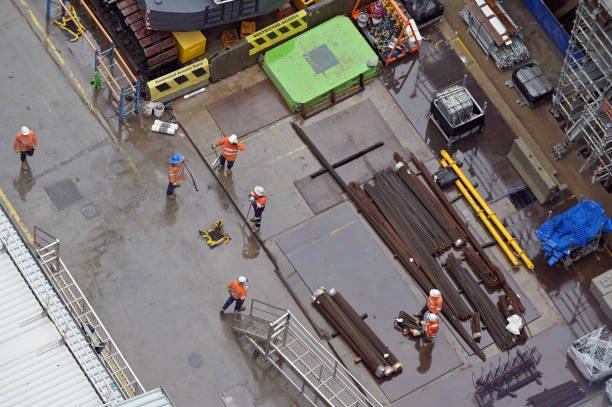
Why Choose Construction Labourer Jobs in Australia?
Australia has an established construction industry that supports residential housing, commercial buildings, roads, bridges, mining facilities and public infrastructure.
These projects require workers who can prepare sites, move materials, assist tradespeople and maintain safe working environments. Construction labourers help complete these tasks and support the daily activities of builders, contractors and specialist workers.
For foreigners, working in Australia’s construction sector can offer several benefits:
- Competitive hourly wages.
- Opportunities to gain practical experience.
- Exposure to modern construction equipment.
- Potential career progression into specialised trades.
- Opportunities to work on residential and commercial projects.
- Experience in a regulated workplace with established safety standards.
The industry also provides different entry points. Some employers recruit inexperienced workers for basic duties, while others prefer candidates who understand construction tools, materials and site procedures.
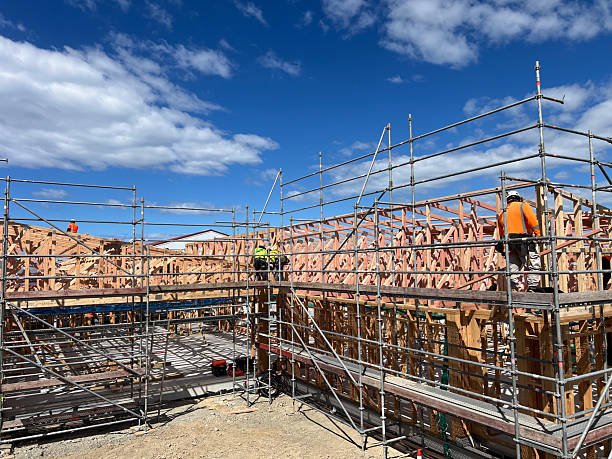
Types of Construction Labourer Jobs Available in Australia
Construction companies recruit labourers for different projects. Your responsibilities will depend on the employer, construction site and type of development.
Here are some common positions to explore.
General Construction Labourer
General construction labourers support builders and other tradespeople with everyday site activities.
Their duties may include:
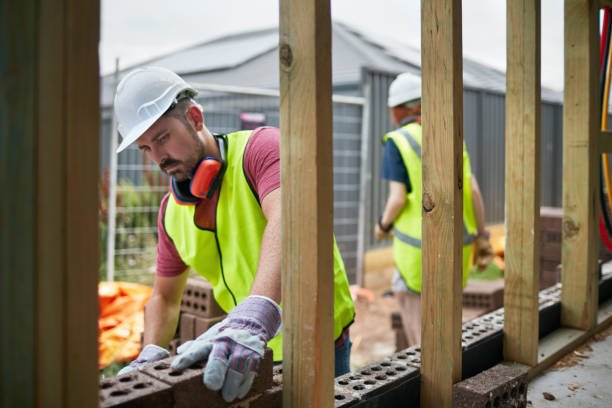
- Moving bricks, timber, cement and other materials.
- Loading and unloading construction supplies.
- Cleaning work areas.
- Preparing tools and equipment.
- Removing rubbish and unwanted materials.
- Assisting skilled workers with basic tasks.
- Following instructions from site supervisors.
This position suits people who enjoy practical work and can handle physically demanding responsibilities.
Building Labourer
Building labourers help prepare and maintain construction sites. They may work on residential houses, office buildings, shopping centres and commercial developments.
Typical responsibilities include:
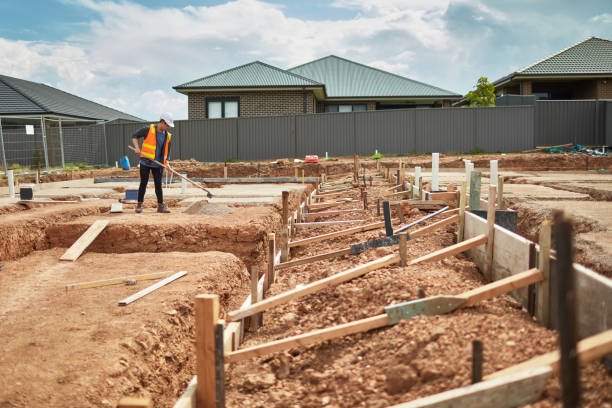
- Digging holes and trenches.
- Mixing and pouring concrete.
- Spreading soil, sand and gravel.
- Transporting building materials.
- Assisting with basic site preparation.
- Supporting carpenters, bricklayers and other tradespeople.
Employers generally value reliability, physical fitness and the ability to follow safety instructions.
Concrete Labourer
Concrete labourers assist construction teams with concrete preparation, placement and finishing.
Their duties can include:
- Mixing concrete.
- Preparing surfaces before pouring.
- Moving concrete materials.
- Assisting with formwork.
- Spreading and levelling concrete.
- Cleaning tools and equipment after work.
Previous experience with concrete work can improve your chances of securing this type of position.
Demolition Labourer
Demolition labourers assist teams that remove old structures, walls, floors and unwanted building materials.
Their responsibilities may include:
- Removing construction debris.
- Sorting reusable materials.
- Carrying tools and equipment.
- Cleaning demolition areas.
- Following site safety procedures.
- Assisting trained demolition workers.
Some demolition activities require specialised training and authorisation. Workers must never handle hazardous materials without the appropriate training.
Road Construction Labourer
Road construction labourers support teams responsible for building and repairing roads, highways, footpaths and other transport infrastructure.
Their tasks may involve:
- Preparing road surfaces.
- Moving construction materials.
- Assisting paving teams.
- Cleaning work areas.
- Installing temporary barriers under supervision.
- Supporting drainage and road maintenance activities.
A traffic control qualification may be useful for certain positions.
Landscaping and Civil Construction Labourer
These workers assist with outdoor development projects, drainage systems, pathways and public infrastructure.
Their duties may include:
- Digging trenches.
- Moving soil and gravel.
- Preparing outdoor surfaces.
- Installing drainage materials.
- Supporting earthmoving activities.
- Maintaining construction surroundings.
Some employers prefer applicants who have experience using landscaping equipment or basic construction tools.
Can Foreigners Get Construction Labourer Jobs with Visa Sponsorship in Australia?
Foreign workers can legally work in Australia when they hold a visa that permits the employment. However, finding an employer willing to recruit an overseas applicant is only one part of the process.
The employer and the position must also meet the requirements of the relevant immigration pathway.
Australia’s Skills in Demand visa, subclass 482, allows approved employers to sponsor suitably skilled overseas workers for eligible positions. Applicants must satisfy the occupation, skills, English language and other visa requirements.
However, ordinary construction labourer positions should not be confused with skilled construction trades. General labouring work does not automatically qualify for employer-sponsored skilled migration.
For example, Australia treats occupations such as carpenters, plumbers, electricians and bricklayers differently from general labourers. Some skilled trades may qualify for particular migration pathways, provided applicants meet all applicable requirements.
Foreign applicants should therefore consider the following:
Check the occupation classification: The job title and actual duties must match an eligible occupation where the chosen visa requires one.
Investigate employer sponsorship: Confirm that the business holds the necessary approval and can nominate workers for the particular position.
Consider regional labour agreements: Some Designated Area Migration Agreements (DAMA) provide occupation-specific concessions. However, eligibility depends on the particular agreement, occupation and employer. A DAMA does not automatically make every labouring position eligible.
Explore other lawful visa routes: Some people may qualify through working holiday arrangements, family visas, student visas or other temporary migration options. Each route has different conditions.
Never assume that an advertisement offering a construction job also guarantees an Australian work visa.
Requirements for Construction Labourer Jobs in Australia
Construction labouring does not always require a university degree. However, employers expect candidates to demonstrate practical ability, reliability and an understanding of workplace safety.
Common requirements include the following.
Physical Fitness
Construction labourers often spend long hours standing, walking, lifting and carrying materials.
You should be comfortable performing physically demanding tasks while following safe manual-handling procedures.
Basic English Communication
Workers need to understand instructions, communicate with supervisors and cooperate with other employees.
Good English skills can also help you understand workplace safety information and respond to emergencies.
Previous Work Experience
Some employers accept entry-level applicants, while others prefer people who have worked on construction sites.
Experience in building maintenance, road development, concrete work, landscaping or warehouse operations may be useful.
Knowledge of Construction Tools
Understanding how to use basic tools can make you a stronger candidate.
Examples include:
- Shovels and wheelbarrows.
- Measuring tapes.
- Hammers and hand tools.
- Drills and basic power tools.
- Concrete mixing equipment.
- Material-handling equipment.
Only operate machinery when you have the required training and authorisation.
Safety Awareness
Construction sites contain hazards involving heavy equipment, falling objects, electricity, chemicals and uneven surfaces.
Employers expect workers to follow instructions, wear protective equipment and report unsafe conditions.
White Card
Australia requires construction workers to complete general construction induction training, commonly known as White Card training.
The White Card demonstrates that a worker has completed the required basic construction safety training. It is recognised across Australia.
In general, workers must complete the approved training through an appropriate Australian Registered Training Organisation.
Foreign applicants should check the requirements in their intended state or territory before making training arrangements.
How Much Do Construction Labourers Earn in Australia?
Construction labourers can earn competitive wages, although actual pay depends on the employer, location, experience, duties and applicable employment agreement.
Some companies pay hourly rates, while others offer weekly wages or project-based arrangements.
The following factors influence earnings:
- Experience: Workers with previous construction experience may qualify for higher rates.
- Location: Pay can vary between states, cities and regional construction projects.
- Job responsibilities: Specialised duties may attract higher rates.
- Employment type: Casual, part-time and full-time arrangements have different pay conditions.
- Overtime: Eligible employees may receive additional payments for overtime, weekends and public holidays.
- Qualifications: Relevant licences and safety training can improve employment opportunities.
As a general reference, the Australian Bureau of Statistics reported median hourly earnings of $32 for the broad labourer occupational group in August 2025. This figure is not a guaranteed construction labourer rate.
From 1 July 2026, Australia’s National Minimum Wage is $26.44 per hour for eligible adult employees who are not covered by an award or registered agreement. Construction employees are often covered by industry awards or enterprise agreements, which may provide different and higher minimum rates.
Always check the applicable award, employment agreement and advertised pay before accepting a job.
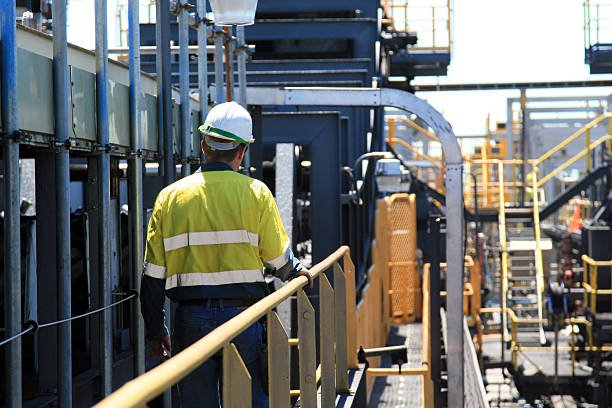
Best Australian Locations to Search for Construction Jobs
Construction projects operate throughout Australia, creating opportunities in metropolitan areas and regional communities.
Foreign job seekers can research the following locations.
Sydney, New South Wales
Sydney has a large construction market involving residential developments, commercial properties, transport projects and infrastructure improvements.
Job seekers can investigate vacancies in building, road construction, demolition and general site support.
Melbourne, Victoria
Melbourne offers opportunities across residential construction, commercial development, road maintenance and infrastructure projects.
Construction companies may recruit labourers to assist with site preparation, concrete work and material handling.
Brisbane, Queensland
Brisbane’s construction industry includes residential projects, commercial buildings and major infrastructure developments.
Candidates can explore opportunities with building contractors, civil construction businesses and labour hire companies.
Perth, Western Australia
Perth supports construction activities connected to residential development, commercial projects, transport infrastructure and the resources sector.
Applicants with experience in civil construction and material handling may find relevant vacancies.
Adelaide, South Australia
Adelaide has construction activity across housing, commercial development and infrastructure projects.
Candidates can search for building labourer, site assistant and civil construction vacancies.
Regional Australia
Regional areas may also provide employment opportunities through road construction, housing developments, infrastructure improvements and industrial projects.
Some regional employers participate in migration arrangements that provide access to particular overseas occupations. However, applicants must verify whether the specific position and visa pathway qualify.
Companies and Employers to Research
Australia has many construction contractors, infrastructure businesses and labour hire companies. Their recruitment pages can help job seekers identify current opportunities.
Here are some established organisations to research:
CPB Contractors
CPB Contractors works on major infrastructure and construction projects across Australia.
Applicants can investigate opportunities in civil construction, project support and site operations.
John Holland
John Holland delivers infrastructure, building and engineering projects.
Its recruitment platform may list opportunities across different construction disciplines.
Lendlease
Lendlease operates in property development, construction and infrastructure.
Candidates can explore its career opportunities, including professional, technical and project-based positions.
BMD Group
BMD Group works in civil engineering, construction and infrastructure development.
Job seekers can research vacancies in civil construction and project operations.
Laing O’Rourke
Laing O’Rourke delivers complex construction and engineering projects.
Applicants can explore opportunities in construction operations, engineering and specialist trades.
Fulton Hogan
Fulton Hogan operates in infrastructure, road construction and maintenance.
Its recruitment opportunities may include positions connected to roadworks, civil construction and operational support.
Important: These companies are examples of organisations to research, not confirmed sponsors of overseas construction labourers. Check each vacancy and its immigration requirements before applying.

Where to Find Construction Labourer Jobs in Australia
Searching through reliable recruitment platforms can help you identify genuine vacancies and compare employer requirements.
Consider these resources:
Workforce Australia
Workforce Australia is an Australian government employment service that provides access to job vacancies and employment support.
Search for construction labourer, building labourer, civil construction worker and site assistant positions.
SEEK Australia
SEEK is a popular employment platform with vacancies across construction, engineering, logistics and other industries.
You can use its search filters to identify opportunities based on location, experience and employment type.
Indeed Australia
Indeed lists vacancies from employers and recruitment agencies.
Try searching for:
- Construction labourer jobs Australia.
- Building labourer vacancies.
- Civil construction labourer jobs.
- Concrete labourer positions.
- Road construction jobs.
- General site worker vacancies.
Jora
Jora provides job listings across different Australian industries.
Candidates can use its search features to find construction-related employment.
Official Company Career Pages
Visit the recruitment websites of construction contractors and infrastructure companies.
Applying directly can help you verify the employer and obtain accurate information about the vacancy.
How to Apply for Construction Labourer Jobs in Australia
A clear application helps employers understand your abilities and experience.
Follow these steps when preparing your job search.
Step 1: Choose the Right Position
Identify vacancies that match your physical abilities, experience and qualifications.
If you have worked in construction before, highlight your practical skills. If you are new to the industry, focus on transferable experience and your willingness to learn.
Step 2: Prepare an Australian-Style CV
Your CV should be clear, professional and easy to read.
Include:
- Your contact information.
- A short professional summary.
- Previous employment.
- Construction-related experience.
- Relevant qualifications.
- Safety training.
- Equipment knowledge.
- Referees, where appropriate.
Focus on achievements and practical responsibilities rather than including unnecessary personal information.
Step 3: Write a Cover Letter
Your cover letter should explain why you are interested in the vacancy and how your skills match the employer’s requirements.
Mention previous site experience, physical ability, teamwork and safety awareness.
If you need visa sponsorship, be honest about your current immigration status and ask whether the employer can consider candidates who require sponsorship.
Step 4: Apply Through a Genuine Recruitment Channel
Submit your application through the company’s official website or a recognised recruitment platform.
Provide accurate information and attach the documents requested by the employer.
Step 5: Prepare for an Interview
Employers may ask questions about your experience, availability, physical capabilities and understanding of construction safety.
Prepare examples that show you can work with a team, follow instructions and complete tasks responsibly.
Step 6: Confirm Your Visa and Employment Conditions
Before accepting an offer, check the employer’s identity, job description, salary, working hours and visa arrangements.
Never travel to Australia for employment unless you hold immigration permission that allows you to perform the work.

Alternative Australian Visa Options for Foreign Construction Workers
The most suitable immigration route depends on your nationality, occupation, qualifications and circumstances.
Here are some options worth investigating.
Skills in Demand Visa (Subclass 482)
This visa allows approved Australian employers to sponsor suitably skilled overseas workers for eligible occupations.
Applicants generally need an eligible nominated position, relevant skills, the required English ability and compliance with other visa conditions.
It is more relevant to qualifying skilled construction occupations than ordinary general labouring positions.
Employer Nomination Scheme (Subclass 186)
This visa provides a permanent employer-sponsored pathway for eligible skilled workers.
Applicants must meet the requirements of the relevant stream, including occupation, skills and employer nomination conditions.
It is not a general visa route for every construction labourer vacancy.
Skilled Nominated Visa (Subclass 190)
The subclass 190 visa allows eligible skilled workers to seek state or territory nomination.
Applicants generally need an eligible occupation, a suitable skills assessment where required and enough points to qualify.
State nomination requirements differ, and a general labourer should not assume that this occupation qualifies.
Skilled Work Regional Visa (Subclass 491)
This provisional visa supports eligible skilled workers who receive the required nomination or family sponsorship for regional Australia.
Applicants must meet the occupation and other eligibility requirements.
Working Holiday Visa
Australia offers Working Holiday arrangements through subclasses 417 and 462 for eligible passport holders.
These programmes allow qualifying young people to travel and work in Australia temporarily, subject to age, nationality and other conditions.
Not every country participates, and the programme is not a guaranteed route to permanent residence.
Student Visa
Eligible international students may work under the conditions attached to their student visa.
Work-hour limits and other restrictions apply. Applicants should not use a student visa as a substitute for a full-time work visa.
Before applying for any visa, consult the Australian Department of Home Affairs or a registered migration agent.
How to Avoid Construction Recruitment Scams
Foreign job seekers should be careful when dealing with agents and online advertisements that promise Australian construction jobs.
Some fraudulent recruiters use fake company names, misleading contracts and false sponsorship claims to collect money from applicants.
Protect yourself with these precautions:
- Verify the employer: Confirm that the business operates in Australia and that the advertised vacancy is genuine.
- Check sponsorship claims: Confirm that the employer can legally sponsor the particular occupation under the relevant visa programme.
- Avoid guaranteed visa promises: No recruitment agent can guarantee that the Australian government will approve your application.
- Do not submit false documents: False qualifications, employment records or identity documents can lead to serious immigration consequences.
- Read contracts carefully: Check salary, work location, duties, deductions and employment conditions.
- Be careful with payment requests: Do not send money to individuals who demand fees for guaranteed employment or a guaranteed visa.
- Protect your personal information: Share sensitive documents only through verified and appropriate channels.
You can also consult the Fair Work Ombudsman for information about workplace rights, wages and protections for migrant workers.
Tips for Improving Your Chances of Getting Hired
Competition for construction vacancies can be strong, especially when employers receive many applications.
These practical steps can help improve your employment prospects.
Build practical experience: Experience in construction, landscaping, road maintenance or warehouse operations can demonstrate your ability to handle physical tasks.
Learn construction safety: Understand basic site hazards, protective equipment and safe working procedures.
Improve your English: Clear communication helps you follow instructions and work safely with other people.
Obtain useful training: Relevant courses in construction pathways, manual handling and equipment operation may improve your employability.
Prepare a strong CV: Explain your responsibilities and achievements clearly.
Apply consistently: Search several recruitment platforms and company career pages instead of relying on one advertisement.
Be honest about your visa status: Employers need accurate information to determine whether they can legally hire you.
Consider skilled trade training: If you want to build a long-term career in Australia, consider training in a recognised construction trade. Qualified tradespeople may have access to migration pathways that general labourers do not.
Frequently Asked Questions
Can foreigners apply for construction labourer jobs in Australia?
Yes. Foreign nationals can apply for construction jobs if they hold a visa that permits the employment or qualify for an appropriate work visa.
Do Australian construction companies sponsor foreign labourers?
Some employers recruit overseas workers, but ordinary construction labourer positions do not automatically qualify for skilled employer sponsorship. The occupation and duties must meet the requirements of the relevant visa programme.
Do I need a university degree to become a construction labourer?
No. Many entry-level labouring positions do not require a university degree. Employers generally focus on physical ability, reliability, communication and practical skills.
What is a White Card in Australia?
A White Card is proof that a worker has completed general construction induction training. Construction workers generally need this training before carrying out construction work.
How much does a construction labourer earn in Australia?
Earnings depend on the employer, location, experience and applicable award or agreement. Check the advertised hourly rate and applicable employment conditions before accepting an offer.
Can I get a construction job in Australia without experience?
Some employers recruit entry-level workers and provide on-the-job training. However, relevant experience, safety knowledge and practical skills can improve your chances.
Which Australian cities have construction labourer vacancies?
Sydney, Melbourne, Brisbane, Perth and Adelaide have active construction industries. Regional locations also offer opportunities depending on project activity and employer demand.
Can a construction labourer obtain permanent residence in Australia?
A general labourer position does not automatically provide a permanent migration pathway. Permanent residence depends on the visa programme, occupation eligibility and the applicant’s qualifications and circumstances.
Conclusion
Construction labourer jobs in Australia can provide opportunities for people interested in practical work, infrastructure development and the building industry. Positions in general construction, concrete work, demolition, road development and landscaping may appeal to applicants with different levels of experience.
However, foreigners must understand Australia’s immigration requirements before applying. Ordinary labouring positions are not automatically eligible for employer-sponsored skilled visas, and a job advertisement promising sponsorship does not guarantee visa approval.
Start by researching genuine employers, preparing a professional CV, improving your construction skills and checking the relevant visa requirements. If you have the opportunity to gain recognised trade qualifications, you may also open the door to more specialised employment and skilled migration options.
Use official resources such as the Australian Department of Home Affairs, Workforce Australia, Jobs and Skills Australia, Safe Work Australia and the Fair Work Ombudsman to make informed decisions.
With careful preparation and a realistic understanding of the immigration process, you can explore legitimate construction employment opportunities and plan your next career move in Australia.
Leave a Reply