

Understanding Cleaning Jobs in the UK
Cleaning jobs involve maintaining hygienic, organised and safe environments in residential, commercial and public buildings. Cleaners help businesses protect their facilities, provide comfortable spaces for customers and employees, and meet workplace hygiene standards.
The UK cleaning industry includes several types of employment. Depending on your experience and interests, you can explore vacancies in hotels, hospitals, schools, offices, shopping centres, airports and industrial facilities.
Employers may advertise cleaning vacancies under different job titles, such as:
- Domestic cleaner
- Office cleaner
- Hotel room attendant
- Housekeeping assistant
- Hospital cleaner
- Industrial cleaner
- Commercial cleaning operative
- Window cleaner
- School cleaner
- Laundry assistant
- Cleaning team leader
Each position comes with different responsibilities. Some workers clean offices and common areas, while others specialise in maintaining hospital wards, hotel bedrooms or industrial facilities.
Although these jobs are widely available, international applicants must check whether they have a valid immigration route that permits them to work in the UK.
Important Visa Sponsorship Rules for Cleaning Jobs
Before applying for cleaning jobs with visa sponsorship in the UK, you need to understand the country’s immigration requirements.
The UK Skilled Worker visa allows approved employers to recruit foreign nationals for eligible occupations. However, ordinary cleaning and domestic cleaning occupations are currently classified as ineligible for new Skilled Worker sponsorship.
The government’s eligible occupation information identifies cleaners and domestics under occupation code 9223 as ineligible. Other cleaning roles, including window cleaners, industrial cleaning process workers and laundry workers, also appear among occupations that cannot normally qualify for this route.
This means that a foreign applicant living outside the UK should not expect to receive a Skilled Worker visa simply by securing an ordinary cleaner or housekeeping job.
There is an important distinction between an employer holding a sponsor licence and a particular vacancy qualifying for sponsorship. A company may appear on the official sponsor register but still be unable to sponsor someone for an ineligible cleaning position.
Can a UK employer sponsor a cleaner?
An employer cannot make an otherwise ineligible cleaner occupation eligible simply by offering a contract or promising to pay for a visa.
However, some foreign nationals may already have another immigration status that allows them to work in cleaning positions. Examples may include people with eligible family permission, certain graduate or student permissions, and other valid work-authorising immigration routes.
Some specialist management positions may have different occupation classifications. Nevertheless, the actual duties, skill level, occupation code and salary must meet the relevant immigration requirements. An employer cannot simply change a cleaner’s job title to manager to obtain sponsorship.
Before accepting an offer, check the latest immigration guidance from UK Visas and Immigration.

Types of Cleaning Jobs Available in the UK
Although sponsorship restrictions affect overseas recruitment, cleaning vacancies remain available to people who already have permission to work in the country.
Here are common positions worth exploring.
Domestic Cleaner
Domestic cleaners work in private homes, apartments and residential properties. Their duties include vacuuming, mopping, dusting, cleaning bathrooms, washing kitchen surfaces and organising living spaces.
Some work directly for homeowners, while others receive assignments through cleaning agencies.
Office Cleaner
Office cleaners maintain workplaces, business premises and commercial buildings. They clean desks, floors, kitchens, toilets, meeting rooms and reception areas.
Many positions operate outside normal office hours to avoid disrupting employees.
Hotel Housekeeping Assistant
Hotels employ housekeeping assistants to maintain guest bedrooms and shared facilities. Their responsibilities include changing bed linen, replacing toiletries, vacuuming carpets, cleaning bathrooms and preparing rooms for incoming guests.
Some hotels provide staff uniforms, meals or other employment benefits.
Hospital Cleaner
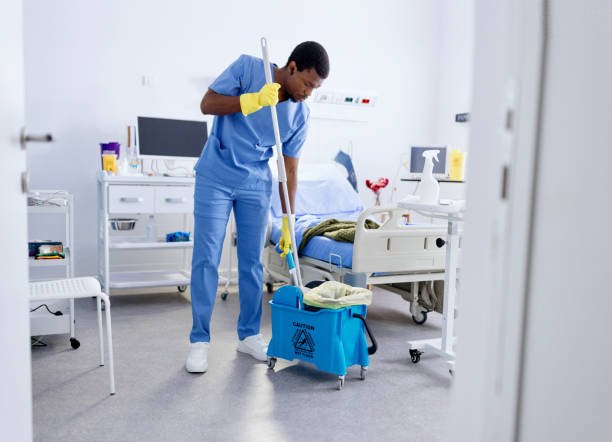
Healthcare facilities require cleaners who understand strict hygiene and infection prevention procedures.
Hospital cleaners may maintain patient rooms, corridors, waiting areas, toilets and other designated spaces. Employers may provide specialist training because healthcare environments require careful handling of cleaning products and contaminated materials.
Industrial Cleaner
Industrial cleaners work in factories, warehouses, production facilities and other commercial environments.
Their duties may include cleaning machinery, removing waste, maintaining floors and using specialised equipment. Some positions require safety training and experience with industrial cleaning procedures.
School Cleaner
Schools and educational institutions employ cleaning staff to maintain classrooms, laboratories, corridors, toilets and dining areas.
Workers may operate before or after school hours. Certain positions require background checks because employees work around children.
Window Cleaner
Window cleaners maintain glass surfaces in homes, offices, shopping centres and commercial buildings.
Some jobs involve ladders, water-fed poles or specialist access equipment. Training and safety procedures become especially important when workers clean elevated buildings.
Laundry Assistant
Laundry assistants help hotels, hospitals and commercial laundry businesses wash, dry, fold and organise clothing, towels, bed sheets and uniforms.
The role may involve operating industrial washing machines and following procedures for handling different fabrics.
Duties and Responsibilities of UK Cleaners
Cleaning responsibilities depend on the employer and workplace. Nevertheless, most cleaning positions involve practical activities that help maintain a safe and presentable environment.
Common duties include:
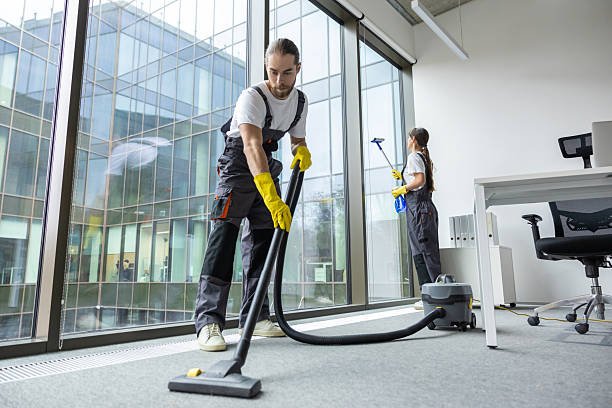
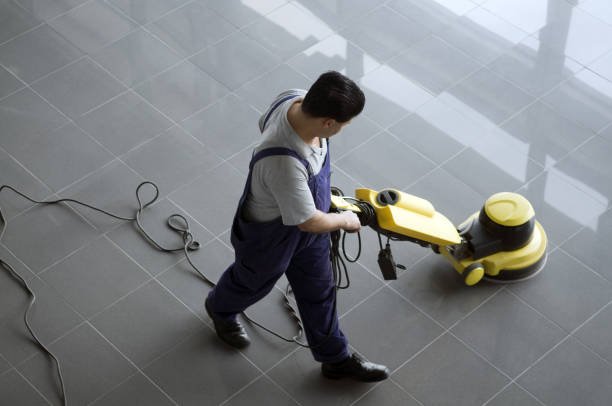
Cleaning floors: Sweep, mop, vacuum and polish different floor surfaces using appropriate equipment.
Sanitising surfaces: Clean desks, tables, kitchen counters, door handles, toilets and other frequently touched areas.
Waste disposal: Collect rubbish, empty bins and separate recyclable materials according to workplace procedures.
Maintaining bathrooms: Clean sinks, toilets, mirrors, showers and other bathroom facilities. Refill soap dispensers and replace toilet supplies.
Using cleaning equipment: Operate vacuum cleaners, floor polishers, washing machines and other approved tools.
Handling chemicals safely: Follow product instructions, use protective equipment and avoid mixing cleaning substances that could create dangerous reactions.
Restocking supplies: Monitor cleaning products and report shortages to supervisors.
Following safety rules: Place warning signs around wet floors, store equipment properly and report hazards.
Reporting problems: Inform managers about damaged equipment, maintenance issues or areas that require additional attention.
Employers value workers who complete their duties carefully, manage time effectively and respect workplace safety procedures.
Requirements for Cleaning Jobs in the UK
Most general cleaning positions do not require a university degree. Employers usually focus on practical ability, reliability and willingness to follow instructions.
Typical requirements include:
- Basic English communication skills.
- Physical fitness and the ability to stand for extended periods.
- Good attention to detail.
- Reliability and punctuality.
- Ability to follow cleaning schedules.
- Knowledge of basic hygiene practices.
- Ability to use cleaning equipment safely.
- Previous cleaning experience, where required.
- Relevant health and safety training for specialist roles.
Some employers accept applicants without previous experience and provide workplace instruction.
However, hospital cleaning, industrial cleaning and specialised facilities management positions may require additional training or practical knowledge.
Applicants should also understand that employers must check their right to work in the UK. A job offer alone does not provide immigration permission.
Cleaning Jobs Salary in the UK
Salary is an important consideration when comparing cleaning opportunities. Earnings depend on the employer, location, working hours, experience and type of cleaning service.
The UK National Careers Service gives an indicative annual salary range of approximately £19,000 for starters to £25,000 for experienced cleaners.
The National Living Wage for workers aged 21 and over increased to £12.71 per hour from 1 April 2026. Different minimum wage rates apply to younger employees and qualifying apprentices.
The following examples show what someone could earn at different hourly rates while working 40 hours per week.
| Hourly rate | Weekly gross pay | Approximate monthly gross pay |
|---|---|---|
| £12.71 | £508.40 | £2,203 |
| £13.00 | £520 | £2,253 |
| £14.00 | £560 | £2,427 |
| £15.00 | £600 | £2,600 |
| £16.00 | £640 | £2,773 |
These are illustrative calculations before tax, National Insurance and other applicable deductions. They do not represent guaranteed salaries or specific employer offers.
Some cleaning positions offer additional benefits, such as:
- Paid holiday entitlement.
- Workplace pension contributions.
- Staff uniforms.
- Paid training.
- Overtime opportunities.
- Employee assistance programmes.
Accommodation and transportation are not standard benefits for cleaning jobs. Confirm all benefits in writing before accepting an employment offer.
Best Places to Find Cleaning Jobs in the UK
Cleaning vacancies exist throughout England, Scotland, Wales and Northern Ireland. The number of available positions changes according to local business activity and employer requirements.
Here are some locations worth considering when searching for vacancies.
London
London has a large commercial cleaning market because it contains offices, hotels, residential buildings, shopping centres and public facilities.
Cleaning companies recruit staff to maintain business premises, accommodation facilities and public spaces. However, living expenses can be higher than in many other UK cities.
Manchester
Manchester has offices, hotels, universities, hospitals, shopping centres and entertainment facilities. These establishments employ cleaning staff to maintain their buildings.
Birmingham
Birmingham offers cleaning opportunities in commercial properties, healthcare facilities, educational institutions and hospitality businesses.
Leeds
Leeds has office buildings, hotels, universities and healthcare facilities that require regular cleaning services.
Liverpool
Liverpool’s hospitality industry, commercial buildings and public facilities create demand for housekeeping and cleaning employees.
Glasgow
Glasgow has hotels, universities, hospitals, shopping centres and office complexes. Cleaning companies and private employers operate throughout the city.
Edinburgh
Edinburgh has a significant tourism and hospitality sector. Hotels, guest houses and other accommodation providers recruit housekeeping and cleaning staff.
Bristol
Bristol has commercial properties, educational institutions, healthcare facilities and hospitality businesses that employ cleaning workers.
When choosing a location, compare hourly pay with rent, transportation expenses and everyday living costs.
Where to Search for Cleaning Jobs in the UK
Reliable job-search platforms can help you discover genuine vacancies and understand employer requirements.
Find a Job
Find a Job is the UK government’s employment service. Job seekers can search for cleaning vacancies, review job descriptions and identify employers recruiting in different locations.
Indeed UK
Indeed lists vacancies from cleaning companies, hotels, hospitals, schools and private employers. Search using different job titles to find more opportunities.
Reed
Reed provides recruitment listings across different industries, including cleaning, housekeeping and facilities support.
Totaljobs
Totaljobs features vacancies from employers and recruitment agencies. Applicants can filter results by location, salary and employment type.
LinkedIn allows candidates to follow cleaning companies, facilities management businesses and recruitment agencies. You can also create a professional profile and connect with recruiters.
Employer Career Pages
Some hotels, hospitals, cleaning contractors and facilities management organisations advertise vacancies through their official recruitment pages.
Always confirm the employer’s identity and check the vacancy details before sharing personal information.
Remember: A job advertisement on a recruitment platform does not mean the employer offers visa sponsorship. Check the immigration requirements separately.
Companies and Organisations to Research
The following organisations operate in UK facilities management, cleaning or hospitality services. Their inclusion does not mean they currently offer overseas cleaning sponsorship or that every vacancy is open to international applicants.
You can investigate their careers pages for available positions and recruitment policies.
- Mitie
- ISS Facility Services
- Sodexo
- OCS Group
- ABM UK
- Compass Group
- Serco
- Barchester Healthcare
- Premier Inn
- Hilton
Before applying, review the organisation’s current vacancies and confirm whether you have permission to work in the UK for the advertised role.
You can also check the government’s Register of Licensed Sponsors to establish whether an employer holds a relevant sponsor licence. Remember that a licence does not make an ineligible cleaning occupation eligible for a Skilled Worker visa.
How to Apply for Cleaning Jobs in the UK
A professional application can improve your chances of securing an interview. Follow these steps when searching for vacancies.
Step 1: Prepare Your CV
Create a clear and organised CV that highlights your experience, practical skills and previous employment.
Include:
- Your full name.
- Professional contact information.
- A short personal profile.
- Previous employment.
- Cleaning skills.
- Relevant training.
- Educational qualifications.
- References, where appropriate.
If you have worked in hotels, offices, hospitals, schools or residential properties, explain the tasks you performed.
Step 2: Search for Suitable Vacancies
Use job platforms and company career pages to identify available positions.
Search for phrases such as:
- Cleaner jobs UK.
- Office cleaning jobs.
- Hotel housekeeping vacancies.
- Hospital cleaner jobs.
- Industrial cleaning jobs.
- Commercial cleaning operative.
- Domestic cleaner vacancies.
Avoid relying only on the phrase “visa sponsorship” because many ordinary cleaning jobs cannot qualify for the Skilled Worker route.
Step 3: Read the Job Description
Check the employer’s requirements, working hours, location, hourly wage and responsibilities.
Determine whether the company accepts applicants who need immigration permission or only considers people who already have the right to work.
Step 4: Write a Professional Cover Letter
Introduce yourself and explain why you are suitable for the position.
Mention relevant cleaning experience, your ability to work independently and your understanding of workplace hygiene.
Keep the letter concise and tailor it to the advertised vacancy.
Step 5: Submit Your Application
Apply through the employer’s official website or the recruitment platform specified in the advertisement.
Attach your CV and any requested documents. Make sure your contact information is accurate.
Step 6: Prepare for an Interview
Employers may ask questions about your previous experience, cleaning procedures, availability and ability to use equipment.
Prepare examples that demonstrate reliability, attention to detail and safe working practices.
Step 7: Check Your Immigration Eligibility
Before accepting an offer, establish whether you already have permission to work in the UK or qualify for another immigration route.
If someone promises to sponsor an ordinary cleaner position through the Skilled Worker route, verify the claim against the current eligible occupation list before proceeding.
Documents You May Need When Applying
Employers may request different documents depending on the position and recruitment process.
Common application documents include:
- An updated CV.
- A valid passport or identity document.
- Educational certificates, where relevant.
- Employment reference letters.
- Cleaning or hygiene training certificates.
- Evidence of previous work experience.
- Professional contact details.
- Any additional documents requested by the employer.
If you already have UK immigration permission, you may need to provide evidence of your right to work through the approved checking process.
Do not send original certificates or sensitive financial information to unverified recruiters.
Alternative UK Immigration Routes to Consider
If you live outside the UK and want to work in cleaning, it is important to investigate immigration routes that genuinely fit your circumstances.
Family Visa
Some people qualify for permission to work in the UK through an eligible family visa. The right to work depends on the specific immigration permission granted.
Graduate Visa
Eligible international graduates who have completed an approved course in the UK may qualify for a Graduate visa. This route generally allows employment, subject to its conditions.
Student Visa
Some international students can work limited hours during term time and may work more during permitted vacation periods. The exact conditions depend on the course and immigration permission.
A Student visa is not a general route for moving to the UK solely to take a full-time cleaning job.
Youth Mobility Scheme
Eligible young nationals from participating countries may apply for the Youth Mobility Scheme if they meet the relevant nationality, age and other requirements.
This route does not apply to every country, so check the current country list before making plans.
Other Work Routes
Some people may qualify for other immigration categories that provide employment rights. Eligibility depends on personal circumstances and the specific visa conditions.
Do not assume that the Seasonal Worker visa covers ordinary cleaning work. It is designed for eligible seasonal horticulture and poultry roles, not general hotel, office or domestic cleaning positions.
How to Avoid Cleaning Job Scams
Foreign job seekers can become targets of fraudulent recruiters who advertise attractive UK cleaning vacancies and promise guaranteed visas.
Be careful when someone claims they can arrange a UK work permit for a standard cleaner position without following the immigration rules.
Watch out for these warning signs:
- A recruiter demands money in exchange for a guaranteed job offer.
- Someone promises guaranteed visa approval.
- An employer refuses to provide its legal business name.
- The vacancy has no clear duties or salary information.
- A recruiter asks you to pay for a Certificate of Sponsorship.
- Someone offers to sell you an existing sponsor licence.
- The company communicates only through suspicious personal accounts.
- A recruiter pressures you to make immediate payments.
A Certificate of Sponsorship is an electronic record assigned by an eligible licensed sponsor for a qualifying immigration application. It is not a visa and cannot make an ineligible occupation eligible.
Check recruitment agencies and immigration advisers carefully. Use official government information when confirming visa requirements.
Tips for Improving Your Chances of Finding Cleaning Employment
Although ordinary cleaning positions do not qualify for new Skilled Worker sponsorship, people with existing UK work permission can strengthen their applications through practical preparation.
Consider these suggestions:
Gain relevant experience: Work in a hotel, office, hospital, school or cleaning company to develop practical knowledge.
Learn proper hygiene procedures: Understand how to clean different surfaces, handle waste and prevent cross-contamination.
Improve communication skills: Basic English helps you understand instructions and communicate with supervisors.
Obtain relevant training: Courses in cleaning hygiene, infection prevention and workplace safety can strengthen your CV.
Develop time management skills: Cleaning employees often work according to strict schedules and must complete tasks efficiently.
Learn to use equipment: Experience with commercial vacuum cleaners, floor machines and other tools may improve your suitability for specialist positions.
Research employers: Understand the organisation’s services and the type of cleaning work it performs.
Be honest about immigration status: Never claim that you have permission to work if you do not.
Frequently Asked Questions
Can foreigners get cleaning jobs in the UK?
Yes. Foreign nationals who already have valid permission to work in the UK can apply for cleaning vacancies. However, ordinary cleaning jobs are currently ineligible for new Skilled Worker sponsorship.
Do UK companies sponsor cleaners from abroad?
A company cannot normally sponsor an overseas applicant for an ordinary cleaner position under the Skilled Worker route because the occupation is classified as ineligible. A sponsor licence alone does not change this rule.
What is the minimum wage for cleaners in the UK in 2026?
For workers aged 21 and over, the National Living Wage is £12.71 per hour from 1 April 2026. Younger workers and qualifying apprentices have different minimum rates.
Do I need a degree to work as a cleaner?
No. Most general cleaning positions do not require a university degree. Employers usually prioritise reliability, practical ability and attention to detail.
Can I apply for cleaning jobs from Nigeria?
You can search for vacancies and contact UK employers while living in Nigeria. However, you must have a valid immigration route that allows you to work in the UK before starting employment. An ordinary cleaner job does not normally qualify for new Skilled Worker sponsorship.
Can hotels sponsor foreign housekeepers?
Ordinary housekeeping and related occupations are also generally ineligible for new Skilled Worker sponsorship. A hotel holding a sponsor licence does not automatically have permission to sponsor every position.
Do UK cleaning jobs provide free accommodation?
Some employers may offer accommodation as part of specific employment arrangements, but this is not a standard benefit. Always check the written contract and understand any deductions or accommodation charges.
Can I work full-time as a cleaner on a Student visa?
Some students have permission to work during their studies, but restrictions apply. Check the conditions attached to your immigration permission before accepting a position.
Are cleaning jobs available in London and Manchester?
Yes. Both cities have cleaning companies, hotels, offices, healthcare facilities and other establishments that employ cleaning staff. Availability changes according to employer requirements.

16. Final Thoughts: Find Genuine Cleaning Employment Opportunities in the UK
Cleaning jobs remain an important part of the UK’s service economy. Hotels, hospitals, schools, offices, factories and residential properties need workers who can maintain clean and hygienic environments.
For foreign job seekers, these positions may offer an opportunity to gain international work experience if they already hold suitable permission to work in the country. However, applicants living overseas must understand the current immigration restrictions before spending money on recruitment services.
Ordinary cleaner and domestic cleaning positions are not currently eligible for new Skilled Worker sponsorship. Therefore, do not rely on advertisements that promise guaranteed UK visas for these jobs.
Use reputable recruitment platforms, research employers, prepare a professional CV and check your immigration options through official government guidance.
The safest approach is to pursue genuine employment opportunities while making sure that your chosen immigration route legally permits you to work in the UK.
Leave a Reply